
The Luminex® MAGPIX® Shigella sonnei PCR Quality Control is an indispensable tool for laboratories conducting molecular diagnostic tests for Shigella sonnei, a pathogen responsible for shigellosis. This quality control system supports the accuracy and reliability of PCR-based assays, ensuring robust pathogen detection, particularly in public health surveillance and clinical diagnostics.
Importance of Shigella sonnei Detection
Shigella sonnei is a significant cause of diarrheal disease worldwide, particularly in low-resource settings. It is transmitted via contaminated food or water, posing severe health risks, especially to children and immunocompromised individuals (CDC, WHO). Accurate detection is critical for timely treatment and outbreak management.
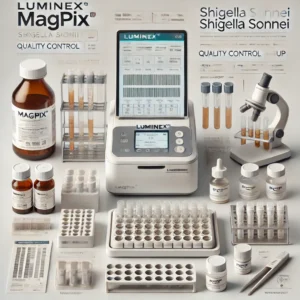
Features of Luminex® MAGPIX® Shigella sonnei PCR Quality Control
This quality control kit offers several advanced features that enhance the accuracy and reliability of Shigella sonnei PCR assays:
- High Sensitivity:
- Detects minute quantities of Shigella sonnei DNA, as recommended by FDA.
- Comprehensive Panel:
- Compatible with multiplex PCR platforms, such as Luminex® MAGPIX®, which allow simultaneous testing for multiple pathogens (PubMed).
- Easy Integration:
- Designed for seamless incorporation into routine workflows, adhering to CLIA standards.
- Robust Quality Assurance:
- Includes positive and negative controls for validation of assay performance (CDC Laboratory Standards).
Applications in Public Health and Clinical Research
- Epidemiological Surveillance:
- Clinical Diagnostics:
- Enables early detection of Shigella sonnei, facilitating prompt treatment and reducing disease transmission (NIH).
- Food Safety Testing:
- Assures the accuracy of pathogen detection in foodborne illness investigations, following protocols by the FDA.
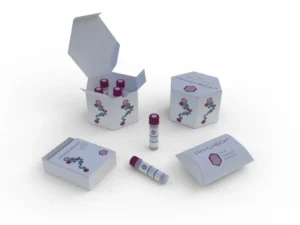
How the Quality Control Kit Works
The Luminex® MAGPIX® Shigella sonnei PCR Quality Control kit leverages synthetic DNA fragments and optimized reagents to validate PCR assays. By ensuring consistency and reliability in amplification results, it aligns with the best practices outlined by APHL for molecular diagnostics.
- Preparation:
- The kit includes pre-quantified DNA controls that simulate clinical samples, following NIH diagnostic guidelines.
- Testing:
- Positive controls confirm assay functionality, while negative controls help identify contamination or non-specific amplification (PubMed PCR Techniques).
- Validation:
- Results are analyzed using Luminex® MAGPIX®’s unique bead-based detection system, ensuring high sensitivity and specificity (CDC PCR Guidelines).
Technical Specifications
- Target Pathogen: Shigella sonnei
- Assay Compatibility: Luminex® MAGPIX® multiplex platforms and standard PCR systems
- Sensitivity: Validated to detect pathogen DNA at clinically relevant concentrations (FDA EUA)
- Regulatory Compliance: Meets standards set by WHO and CDC
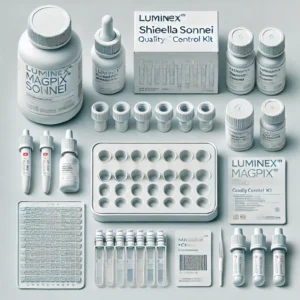
Research and Development Insights
Recent studies supported by the National Institute of Allergy and Infectious Diseases (NIAID) emphasize the critical role of accurate PCR quality control in managing bacterial infections. Additionally, the World Health Organization underscores the need for reliable diagnostics to mitigate global health threats posed by Shigella.
Future Directions
Advancements in molecular diagnostics are driving the development of more sophisticated quality control kits. The integration of tools like the Luminex® MAGPIX® Shigella sonnei PCR Quality Control into global health initiatives promises to improve pathogen surveillance and enhance response strategies (CDC Global Health).
References and Additional Resources
- CDC Shigella Information
- WHO Shigella Fact Sheet
- FDA PCR Standards
- PubMed Articles on Shigella PCR
- NIAID Research on Bacterial Pathogens
- NIH Laboratory Guidelines
- CLIA Regulations
- CDC Global Health Initiatives
- APHL Molecular Diagnostics
- FDA Food Safety Testing
This article provides an in-depth exploration of the Luminex® MAGPIX® Shigella sonnei PCR Quality Control, emphasizing its role in enhancing diagnostic accuracy and its contributions to public health efforts